
Why the Nikkei has caught investors’ attention
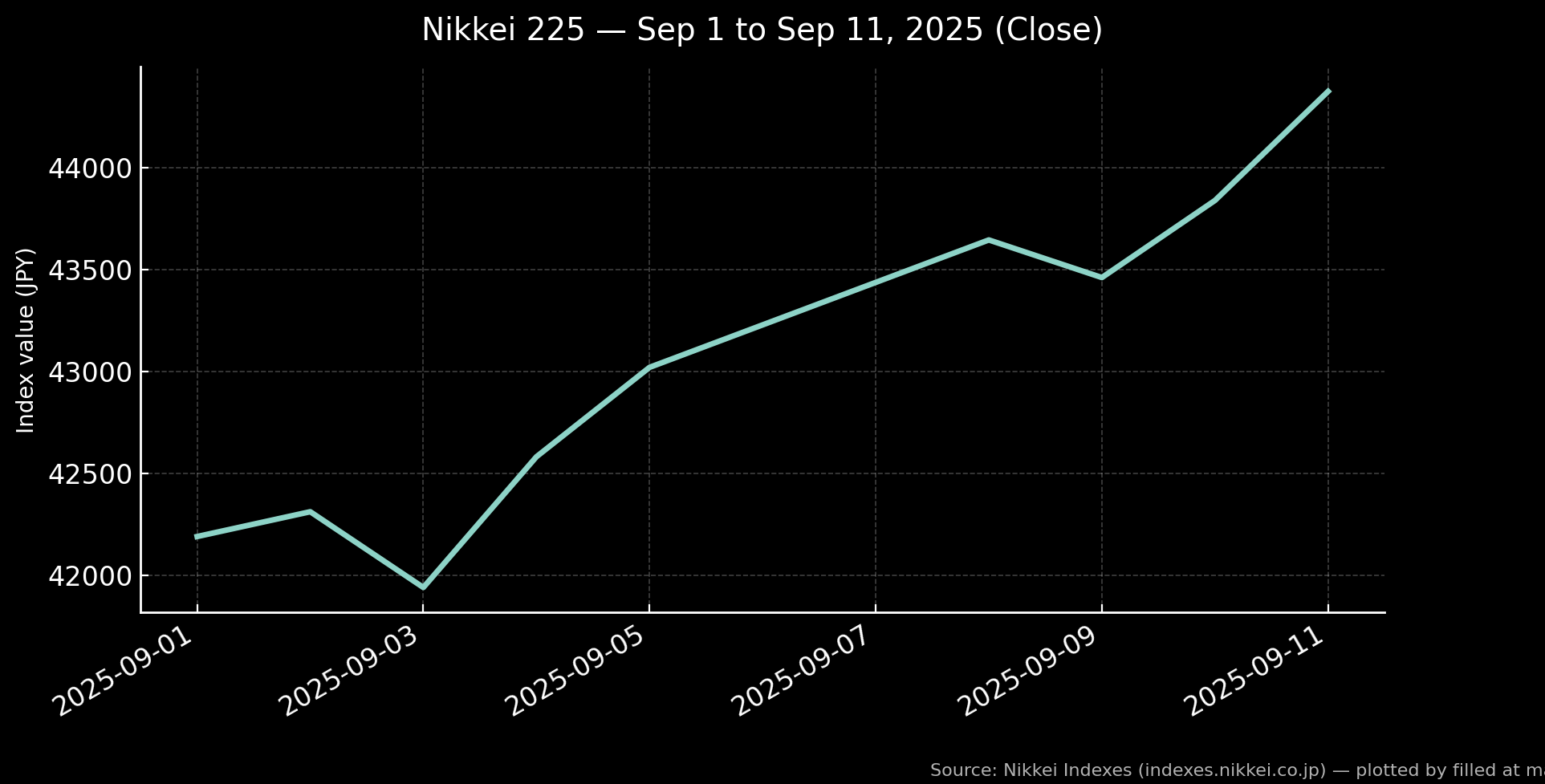
Nikkei rally drivers have taken centre stage as Japan’s benchmark equity index surges to fresh all-time highs. A mix of domestic political change, improving corporate fundamentals, and strong cross-border capital flows has pushed the market into a momentum phase where narrative and fundamentals are reinforcing one another: policy expectations lift sentiment, earnings upgrades validate the rally, and foreign buying amplifies moves.
Market participants point to an evolving political landscape that has unsettled Tokyo yet ironically helped risk appetite by creating clearer policy narratives about fiscal support and defence spending. At the same time, surveys of manufacturers and corporate updates have shown improving activity and profit expectations, which underpin the market’s advance. For readers wanting primary sources, the Bank of Japan provides policy statements and outlooks, while major news outlets report on political developments and market moves.
Policy shifts and the central bank backdrop
The interplay between fiscal policy signals and central bank posture is central to understanding Japan’s market. Political transitions can change the mix of fiscal stimulus and regulatory emphasis, which in turn affects growth and inflation expectations. Meanwhile, the Bank of Japan’s guidance on rates and inflation is a key determinant of currency moves and investor risk appetites. A more stimulative fiscal stance combined with gradual monetary normalisation supports equities in the near term but raises sensitivity to inflation surprises.
Capital flows: overseas buying and domestic reallocation
Foreign investors have been meaningful net buyers recently, attracted by export strength, a softer yen at times, and valuations that still look relatively compelling for some global funds. At the same time, domestic households — sitting on large cash buffers — are slowly reallocating toward equities as wage gains and tax incentives change the calculus for long-term savings. These two sources — external liquidity and growing domestic participation — provide both momentum and a deeper liquidity base for the market.
Tech Momentum and Earnings – Structural Nikkei Rally Drivers
Technology and semiconductor suppliers have been notable contributors to the rally, with several large names reporting improved profitability and outlooks. Investors are increasingly viewing Japan as a complementary destination for technology exposure alongside the U.S. and China, thanks to its manufacturing base and corporate governance reforms that have encouraged buybacks and shareholder returns.
Risks to the Nikkei Rally and Key Drivers to Watch
The case for further gains rests on structural reforms, sustained foreign inflows, and continued corporate profit growth. However, elevated valuations, crowded positions, and the possibility of policy missteps mean volatility is likely. Currency strength or a faster-than-expected monetary tightening would present a direct headwind to exporters. Political contests that become prolonged or polarising could also inject short-term turbulence.
Bottom line
Japan’s market rally is multi-faceted: short-term political and macro signals, mid-term recovery and capital flows, and longer-term corporate and tech momentum. For investors the prudent path is to recognise both the potential for further gains and the risk of sharp reversals — an approach that balances selective exposure with risk management.
Ready to start trading?
Further reading and official sources:
- Bank of Japan — official site
- Reuters — market and political coverage
- The Japan Times — market reporting
Disclaimer: This post contains affiliate links. If you use them, I may earn a commission at no extra cost to you. This helps support the site.